
The Reluctant Prophet: What I Learned

Photo by Vitolda Klein@little_klein
Reader Bobbi asked, “From your experience of straddling the line of a loving Christian belief system and exploring other spiritual paths, how would you approach such a divide?” In her comment she explained that she has “a deep spiritual side” that she nurtures in the profound beauty of nature and admitted that she feels judgmental “of anyone who has any religious tone or words in their vocabulary.” I appreciated her openness and honesty. At the end of her comment she wondered if the divide between these two groups could ever be healed in our society.
My book under the working title The Reluctant Prophet is actually a direct answer to this question. Had this question been asked a decade ago, two decades ago or even three decades ago, I would have answered with an enthusiastic, “Yes, of course, it can be healed.” Quite honestly, my answer would have been grounded in the fact that my seminary studies provided the kind of fertile ground for those who might consider themselves “spiritual but not religious (SBNR)” like Bobbi.
But after more than three decades of trying to bring these two groups together through my preaching, my teaching, my writing, and my community organizing I do not believe these two groups can easily co-exist. My answer is based on my direct experience. Below I will share the four clearest examples of attempts to heal this divide that either ended unsuccessfully or without the hoped for results.
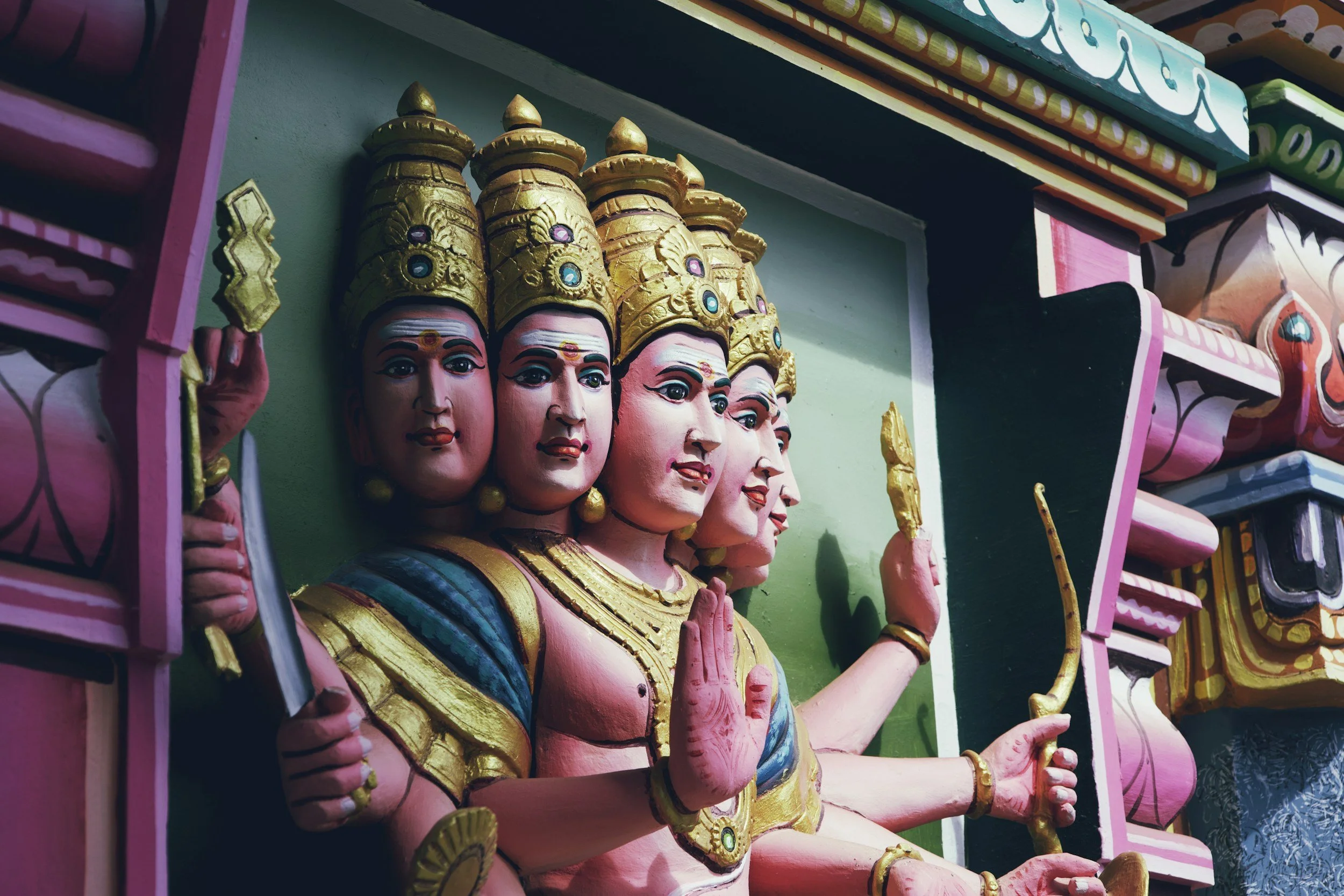
Photo by Miguel Ancaltara@miguelalcantara
In the 1990’s I led a group called The Questers in a congregation that was seeking to reach young families, children and youth. Re-contextualizing the Christian message through the lens of Joseph Campbell’s work in mythology we attracted a group of nearly one hundred people. But the gap between the traditionalists and the “spiritual but not religious” was too great. I was asked to resign after some prominent members complained that “we were becoming known as the church with that weird group.”. Two years later those same questers approached me and asked me to help them found their own church. What I learned: These SBNR people wanted a spiritual community, but it didn’t mix well with the traditional church.
In 2007 I was pastoring a small congregation on the verge of closing. As the pastor, I started a Movies and Meaning Meetup group that brought people together every month to watch a movie and then retire to a pub or wine bar to discuss the movie from their various philosophical, religious, or spiritual perspectives. The group grew to 175 people with a core group of about twenty who met regularly. Despite leading both the church and the group our attempts at integration stopped at a couple of adult studies hosted by the church, but no one joined for worship or indicated an interest in membership. What I learned: This diverse group of SBNR wanted to learn, explore and discuss in a community setting, but was not interested in traditional forms of church.
In 2012 I was called to a church to help them connect with the community. I started a Facebook page for the church. I worked hard to connect with the community through posts that were based in the values of the church, but in non-religious language. Interestingly enough the more I connected with the community through Facebook the less the church membership trusted my preaching and teaching. My dancing between religious language on Sundays and spiritual language in the community led to concerns that I was not being honest in the pulpit. I almost got fired, but my ministry never recovered. What I learned: The SBNR people wanted a spiritual leader who could connect with them, but the gap in spiritual literacy was too much between the church and the SBNR community.
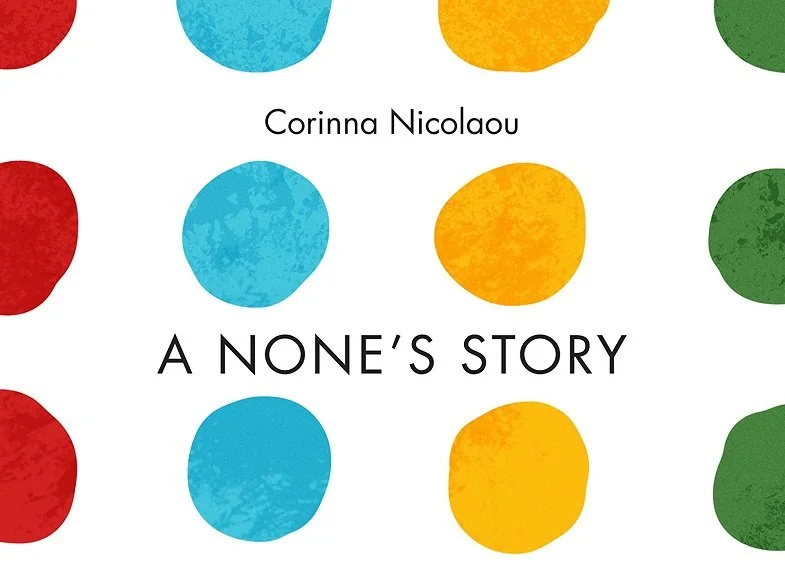
Finally, in 2018, as a church executive, I was able to connect with Corinna Nicolaou, the author of A None’s Story: Searching for Meaning Inside Christianity, Judaism, Buddhism and Islam. She was a non-church-going SBNR. She agreed to write a free guest column for the monthly newsletter that went to our one hundred churches for six months. If she got traction with the churches in my jurisdiction I told her that we would work with her to provide workshops for churches on reaching those who think of themselves as “spiritual but not religious.” For a church culture experiencing a five decade-long decline that talked a lot about growth, I thought this was a great opportunity to understand the culture around us. I was shocked when the column elicited almost no energy or interest. What I learned: Despite ongoing decline, congregations as a whole had little interest or energy to engage with spiritual cultures foreign to themselves.
Reader Bobbi asked if it was possible to heal the divide between the traditional church congregation and those whose identity could be defined as spiritual but not religious. Ten years ago, twenty years ago, and thirty years ago I would have answered Bobbi’s question with an enthusiastic yes. I tend to be an optimistic person and that optimism fueled numerous attempts to bring the traditional church together with the “spiritual but not religious.”
I no longer believe that. While there will always be individual congregations that will be an exception to this, my experience tells me that integrating these two cultures is a step too far for both—congregations will feel too stretched by the exploratory nature of the SBNR and the SBNR people will feel too constrained.
Maybe someone will prove me wrong some day. Until then a declining church tradition needs to think less about growing and more about leaving a meaningful legacy for future generations.
Why do I think of myself as a “reluctant prophet?” Because this is something I didn’t want to have to say out loud to a religious community that raised me and loved me. I wouldn’t be who I am today without the church of my childhood. It pains me to see it dissolve away. It pains me even more to be the one that needs to say it.
Question for Dialogue: Do you have experience of churches where a traditional church culture was able to integrate another spiritual or religious culture into them? Please share!