
Rome to Rumi: The Crack in Christendom—Pt. 2

I grieved terribly after concluding my work at Eastminster Presbyterian Church. I knew I would need to find another call, another church to serve. But I also knew the chances of finding a church that would not only be comfortable with me having a community pulpit, but would actually support that, was slim. Churches in this time are largely concerned about membership and attendance and the uncertainty that comes with decades’ long declines. It’s not that a pastor couldn’t be involved in the community, but if a pastor is not putting 100% of their time into maintaining and sustaining a nervous congregation, they immediately open themselves up to “not doing enough to save the church.”
I couldn’t see it at the time, but my grief was rooted in the fact that I expected myself to be able to be faithful to the work of the church and enjoy the benefits of Christendom. Said another way, I expected an impossibility—to walk with congregations who were grieving over the loss of Christendom and enjoy the benefits of being a church leader in Christendom at the same time.
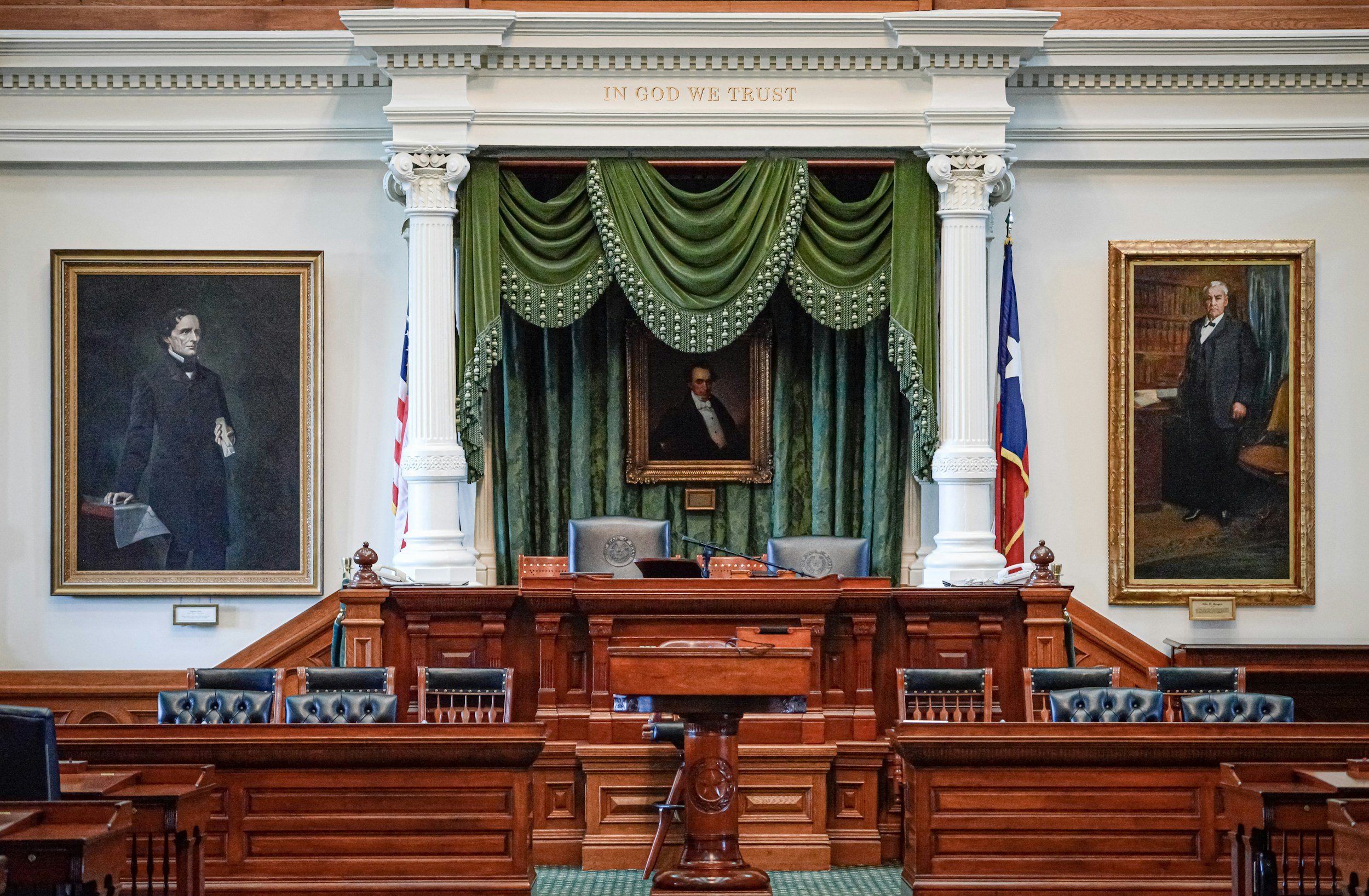
The seat of power and influence
Let me explain. In Christendom churches got used to having deep influence on the shape of and the values of the community. In 1965, the combined Presbyterian denominations held just over 2% of the U.S. population, but eleven seats in the Senate. United Methodist membership represented 5% of the U.S. population and held 22 of the 100 seats in the Senate. Mainline Protestant membership represented about 15% of the population, but held 55% of the seats in the Senate.
This is Christendom! When large, but minority groups held most of the power in the culture. I know this story well. Serving as a PCUSA pastor, I got used to having a high percentage of members who held the reins of community power—mayors, school superintendents, city council persons, elected officials, as well as doctors, lawyers, accountants and psychologists. To be Presbyterian automatically meant to sit in powerful places.

Charity work
I served churches that had a whole history of over-sized influence on the community. The churches I served often boasted of starting various non-profits in the community and being at the table when groundbreaking legislation was crafted. The membership in the churches I served were often very well off and mission was thought of as “helping those less fortunate that us.” “We did well, we want to help you do well too,” was sort of an unspoken motto.
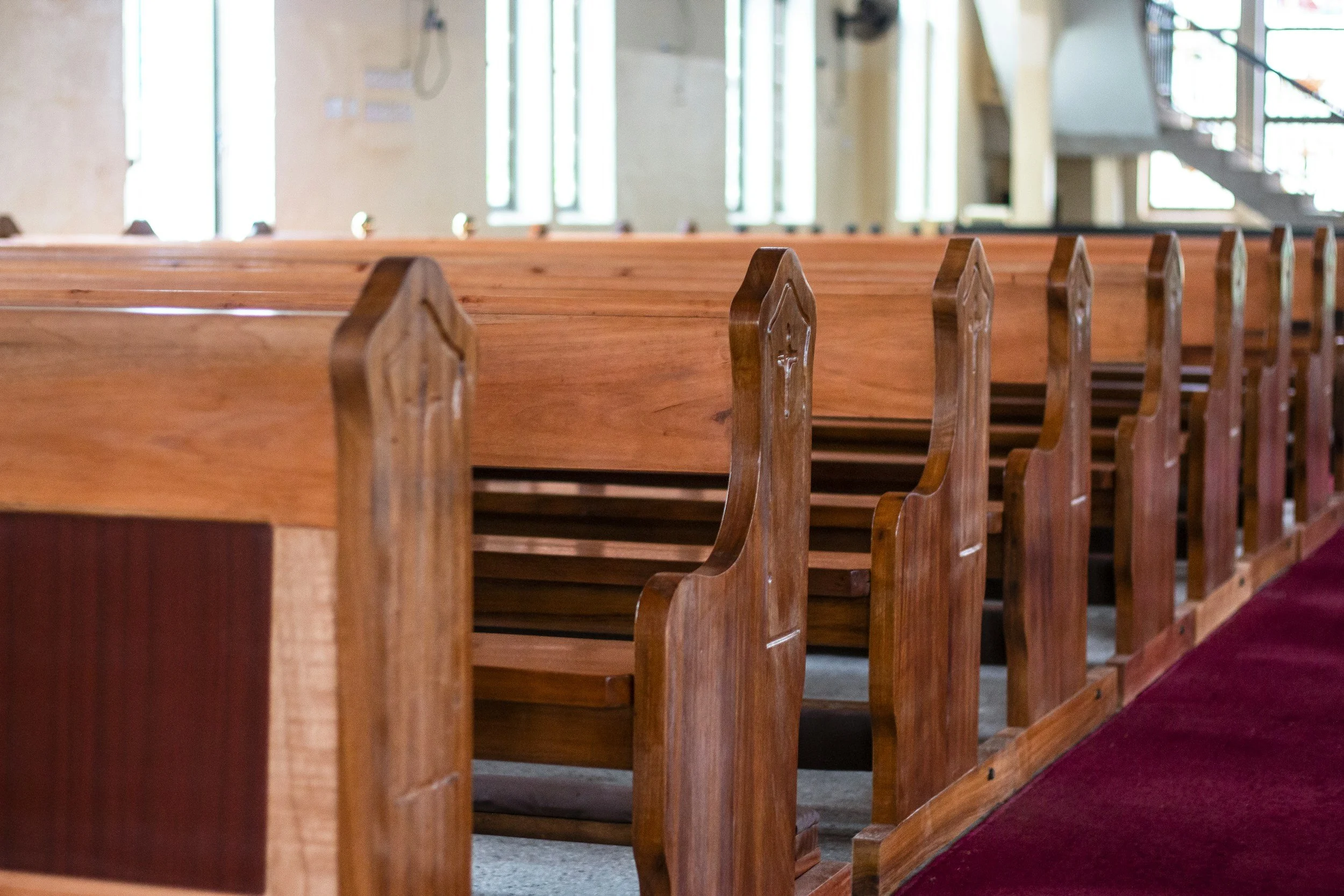
The visceral fear of empty pews
But here was the strange thing. Beginning in the 1960’s these churches began a six-decade long decline in membership and influence that continues to this day. I didn’t catch on to this in my early ministry. Churches hired me to help them reverse the pattern of decline and I was willing to play along. But somewhere in the early 2000’s I realized that the role of a minister was not to reverse their decline (that is, push back at the end of Christendom), but to help them come to terms with the end of Christendom.
I began to realize that the future of individual churches was going to have to be built from the rubble that was left after the complete collapse of Christendom. I began to realize that the end of Christendom (that is, the end of our over-sized influence on society) was going to point the way to a new kind of Christian community not built on power and influence, but built on the essential values of Christian character modeled by Jesus.

I began to realize that my most profound and important work as a minister would be to help congregations and congregational systems to attend to the grief of their world (Christendom) passing away. I would, in a sense, become a long-term ecclesiastical hospice counselor.
But what I hadn’t done was attend to my own grief of this world passing away. Somewhere in my unconscious I still thought I could enjoy the benefits of Christendom and have both a church pulpit and a community pulpit. It took fifteen years to get to this imagined ideal, lasted for four years, and then disappeared again. Christendom was not completely dead, but it was clearly dying.

There was a time when serving the church as a minister also meant having an influential voice in the community, especially in mainline Protestantism. But the days when mainline Protestants can simply assume that they belong in elected office, are entitled to influential positions, and expect to shape the values of America are over.
Christendom has cracked.