
Rome to Rumi: Budgets and Buildings…
“Before Christianity was a rich and powerful religion, before it was associated with buildings, budgets, crusades, colonialism, or televangelism, it began as a revolutionary non-violent movement promoting a new kind of aliveness on the margins of society.”
Brian McClaren
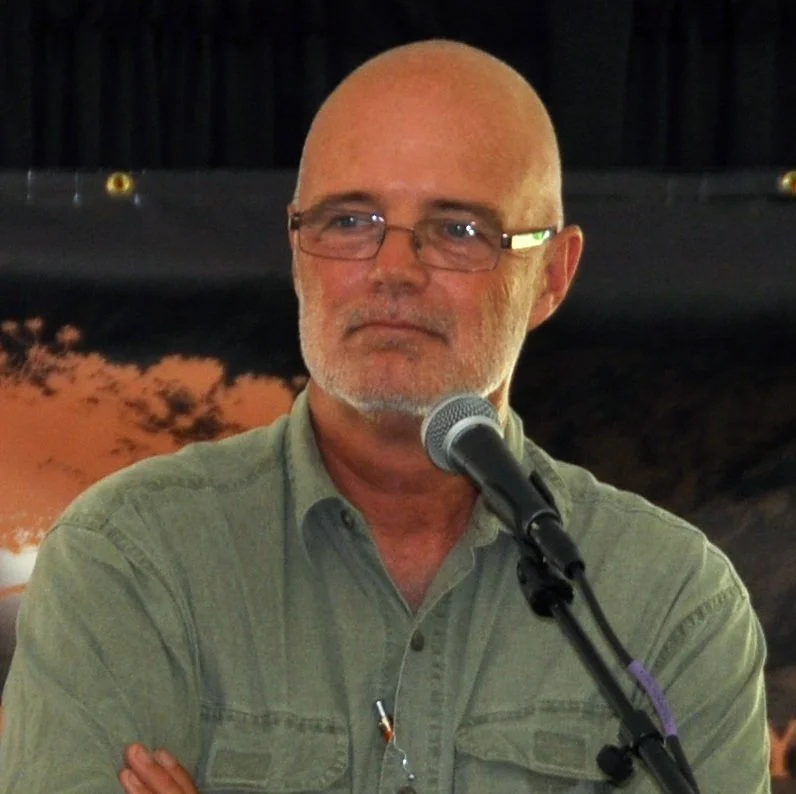
Brian McClaren, Photo By James Willamor - https://www.flickr.com/photos/bz3rk/7444765140/
I came across this quote posted by a Facebook friend last week. I have been working on a series of blog posts that address a period that religious historians often refer to as Christendom. If you have read my last two blog posts on this topic you will know that I feel like I personally experienced the awkwardness and confusion of being a professional minister at a time when Christendom is fading away, but before a new Christianity has emerged.
Quite honestly, much of the awkwardness was of my own making. I expected to enjoy the perks and benefits of Christendom while helping churches and church systems come to terms with the fading away of Christendom. In a word, I was still expecting to hold community-wide influence simply by my ordained status while walking with churches as they came to terms with their loss of influence. Seriously, I had set myself up for an impossible expectation.
This quote from Brian McClaren says it so well and mirrors my experience. Emerging from my seminary education I expected to be preaching and leading congregations to mirror that “revolutionary non-violent movement promoting a new kind of aliveness on the margins of society.” But, what I wasn’t prepared for was how much ministry required a different skill set—that of handling issues related to buildings, budgets, and personnel. Seminary focused almost exclusively on theology, worship and preaching. I had no classes on personnel management, budget oversight, and fundraising.
The gap between my education and expectations and reality became especially apparent when I was called to be a church executive with support and oversight of a region of 96 churches. During that six-year stint I think I only preached about a dozen times and 95 percent of my role was purely administrative. This work was not about leading a movement, but about managing an institution.

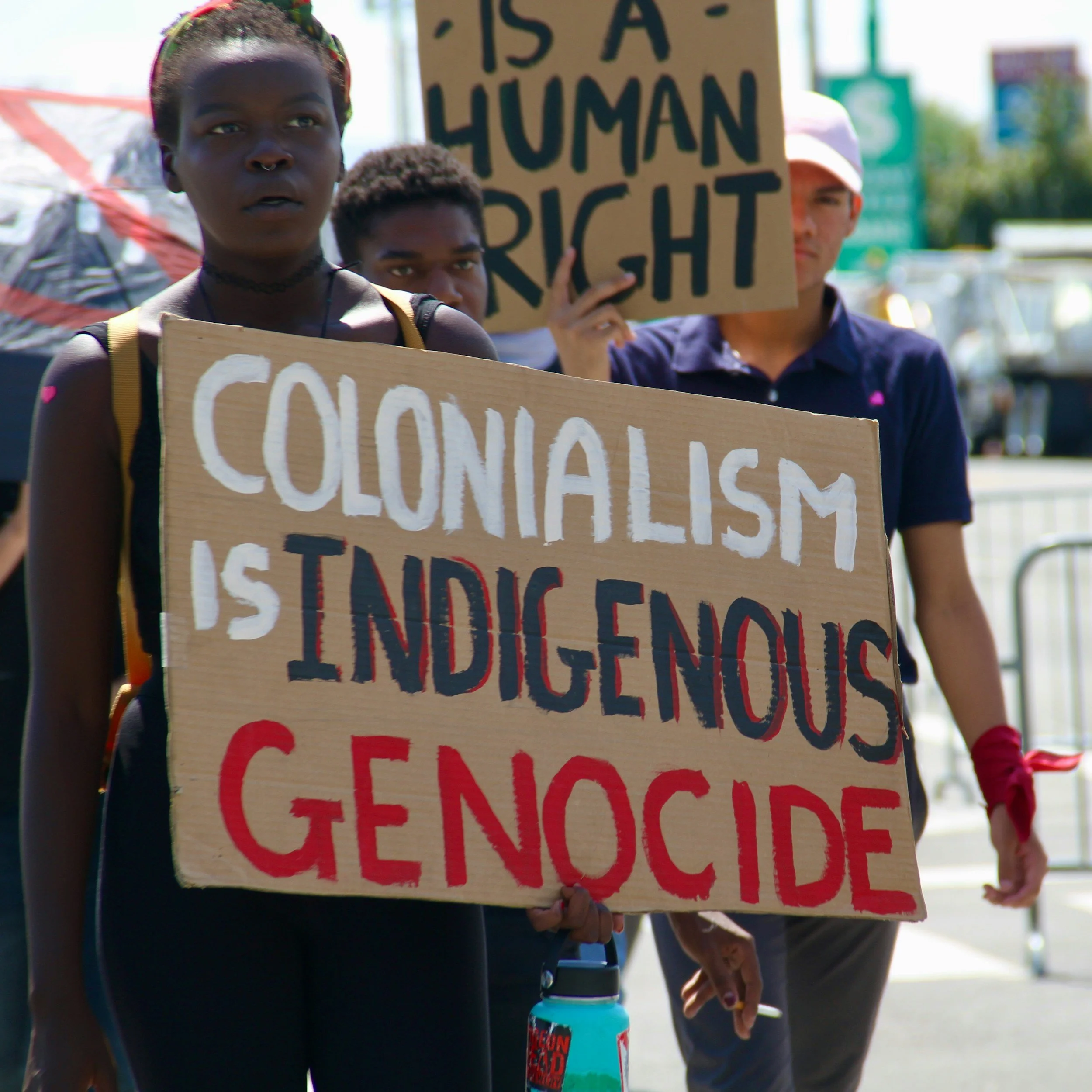
But more than the buildings, budgets, and personnel, it was the subtle colonialism that still pervaded the church culture that surprised me the most. I am an interesting mix. On the one hand, I am an educated white male with automatic privilege in this nation. On the other hand, I have often resonated more with those on the “margins of society.” Even though I have served as a professional, the journey was never easy. My pieced-together family didn’t have money when I graduated from high school, so it took me eight years to complete my undergraduate studies as I worked, then studied, worked, then studied. And, over my career I have relied on the public support of food stamps, Obamacare, and low-income housing.
The subtle colonialism came in the form of churches that desperately wanted to reverse years of decline and connect with new people in the community. But I experienced over and over again how congregations had an unconscious expectation that those “new people” would come in and act like them, look like them, and believe like them. I remember talking to my church-raised trans child, Jules, about churches wanting to make room for the LGBTQIA community. Jules very clearly said, “Dad, we don’t want what they have. If they want to get to know us they need to do that on our terms.”
I say I experienced a subtle colonialism. This was not the colonialism of many of our denominations of forcing Indigenous children into boarding schools, cutting their hair, and requiring them to memorize Bible verses. The colonialism was much more hidden behind the hope that congregations could reach new people who would then adopt the beliefs, the hymns, the prayers, the preaching, the potlucks, the clothing styles and the unspoken rules of every congregation. It was an inherited colonialism that still mirrored the spirit of “manifest destiny” but minus the overt violence.
I do get it. To reach people on the margins of society and expect to have a cross-assimilation and blending of cultures requires congregations to change their culture. Most churches no longer support the early colonialism of our denominations and our country. In fact, they are revolted by it and ashamed of this part of our history.
But, Christendom is still burdened by its past privileged status. While the essence of the Christian gospel is a “revolutionary non-violent movement promoting a new kind of aliveness on the margins of society” the truth is, buildings, budgets, personnel and the lingering effects of colonialism still take precedence in most of the established church culture.
This series of posts is part of a unfolding manuscript for a book under the working title Rome to Rumi: Recovering the Mystical Tradition from Christendom