
The Reluctant Prophet: Mission and Membership
To comment on this blog click the link to the “original post” at the bottom of the post if you are reading this directly from your email. At the bottom of that post is a place to comment directly so it is available to the public.
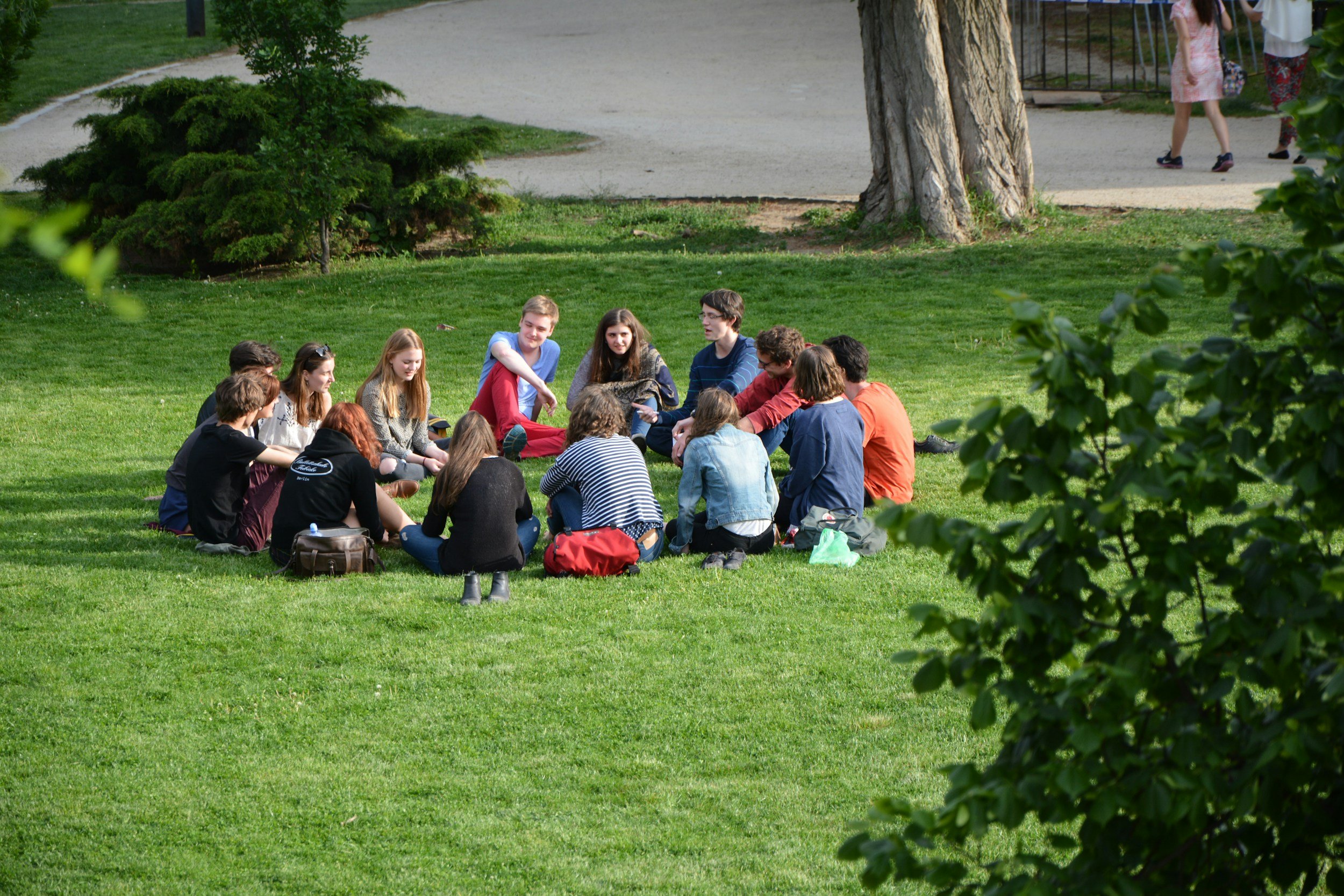
Photo by Beth Mcdonald@elsbethcat
The dialogue has begun.
I received seven comments from my recent post inviting my readers to a dialogue about the future of the Christian tradition and the emergence of new spiritual expressions, practices and communities. I will be writing blog posts in response to the comments over the next few weeks even as I welcome more comments on each post. I will keep writing as long as you continue to have questions and comments before capturing this dialogue in a forth coming book.
One reader, Beth, named a reality that became increasingly prevalent over the 35 years that I was engaged in professional ministry. She wrote, “The church these days seems more concerned with membership and preserving organizational tradition than with following the radical teachings of Jesus.” I will say that this was not always true and it is also more true for some congregations than others. But the statement largely mirrors my experience.

When I first entered the professional ministry in 1989 the churches of my Presbyterian denomination (PCUSA) were concerned about growth and attracting young families. But growth was often just one of many ministry priorities that they would name. Equal to the need for growth was also a focus on mission in the community to the “least of these” as Matthew 25 makes clear. Leadership development and Christian discipleship were often named as priorities for the church and the pastor. Maintaining and developing programs for Christian education and fellowship were vital to the ministry. Probably most important of all was worship and preaching that met the spiritual needs of members and reflected the theology and the tradition of the PCUSA.
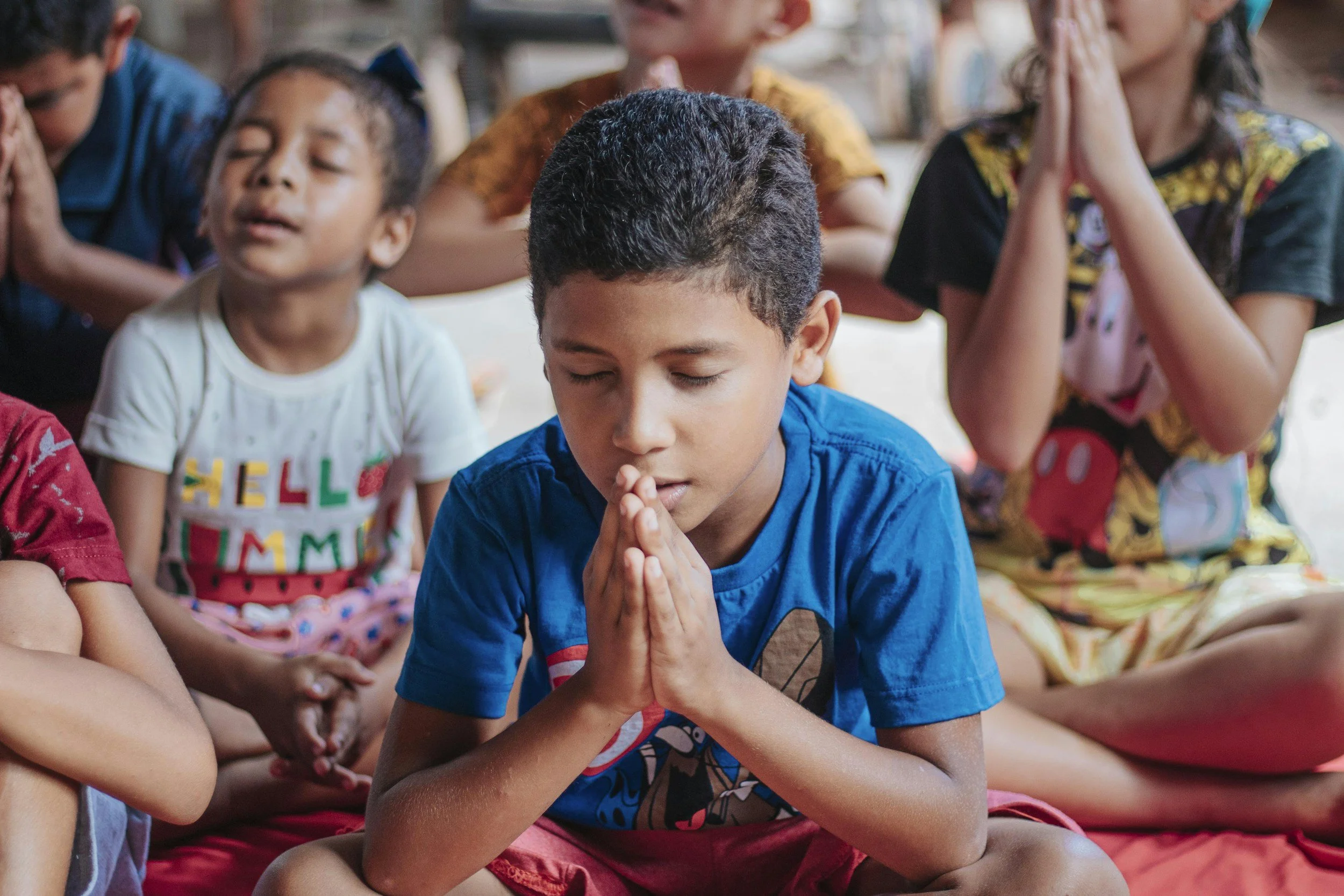
Photo by Carlos Magno@soucarlosmagno
While Sunday School classes were often small, most churches I was associated with early in my ministry still had children and youth that were a vital part of the church family and ministry. Fifteen years after I entered ministry I experienced more and more churches that had no children and youth and often no members under the age of 50. It made sense. The Baby Boomers who didn’t abandon the mainline Protestant churches in the 60’s and 70’s were reaching mid-life and their children were beginning to leave the nest. With the absence of Generation X there were few children to replace the Millenials (Boomer children) as they aged out of church programs.
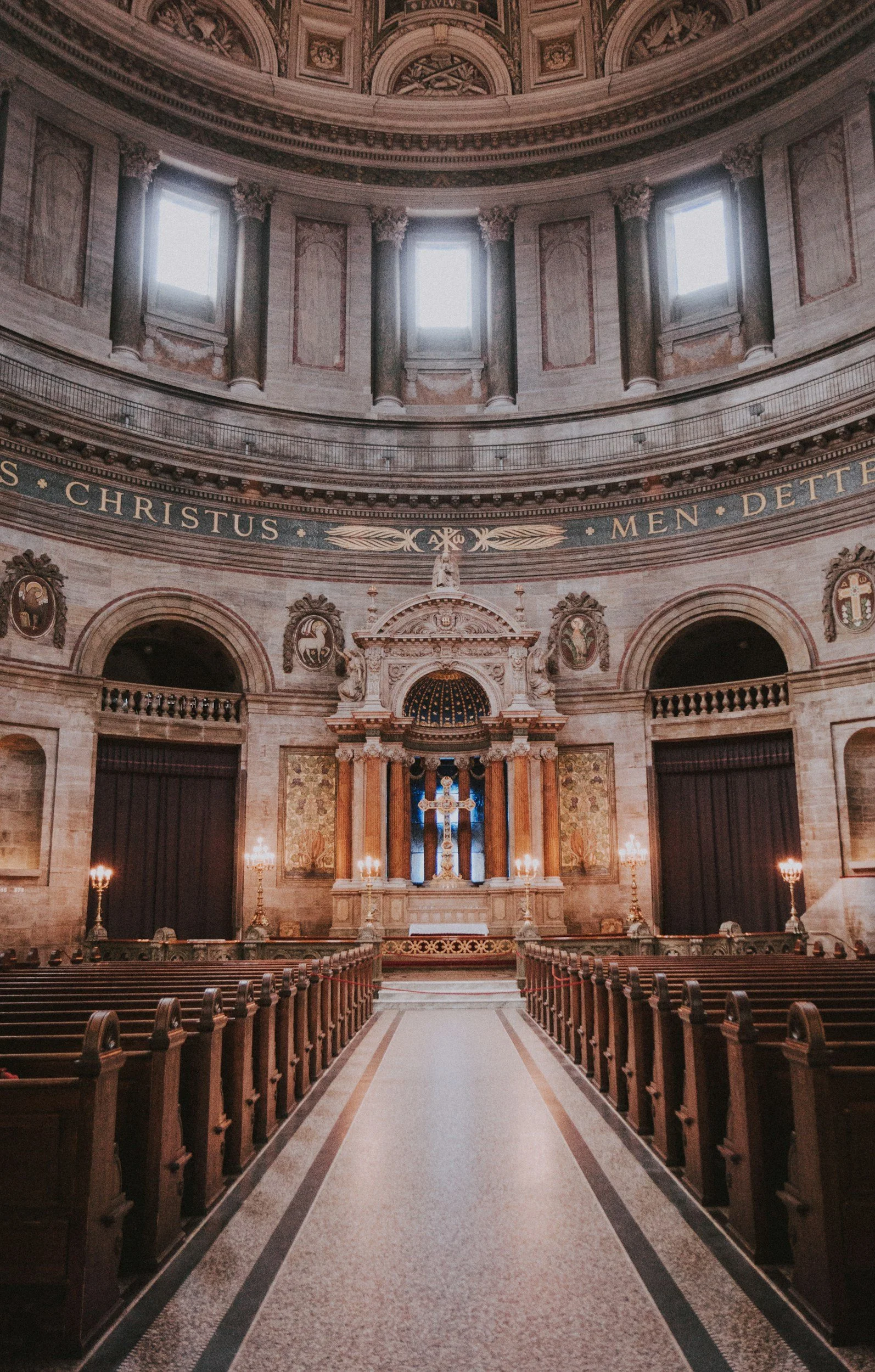
Photo by Kristijan Arsov@aarsoph
At the same time that was happening, I noticed that the priorities of the churches also began to shift. I still heard conversations and discussions about Christian education, fellowship and mission in the community. But when new ideas came up often the question was not “Is this the best way for us to be faithful to our mission?” Increasingly, I heard, “Will this work,” referring of course to whether any fresh ideas would bring in new members. I began to see that those outside the church saw a tradition that seemed more concerned about membership and numbers. But, inside the church I heard not an abandonment of mission. Rather I heard, “Without members how can we carry out our mission?”
The truth is that by the time this dynamic unfolded most mainline churches were wedded to large properties, aging buildings, and weighty personnel budgets. At one time those buildings and budgets supported marvelous missions. But as memberships dropped, congregations felt forced to focus on membership in order to support a building that once housed a vital mission.
Reader Beth also wrote, “If Jesus were here today, I wonder if he would tell the church what he said to the rich man about giving away his wealth in order to follow him.”

Photo by Jakub Zerdzicki?@jakubzerdzicki
The mainline Protestant denominations and congregations have tremendous wealth in the form of property and building assets and endowments. We have reached a point where the Church either needs to find the members to support their massive infrastructure or start giving their assets and tradition away as Jesus once exhorted. It was great when membership and mission worked together. But, today many churches need to decide between membership or mission. There isn’t enough energy and resources to do both.
Questions for Dialogue (reply in the “Comment” section):
Do you agree with the statement, “Today many churches need to decide between membership and mission. There isn’t enough energy to do both.” Why or why not?
If the Church (being the whole tradition of mainline Protestantism in the U.S.) were to embark on an historical “give away” program, what would this give away look like and to whom should their assets be entrusted?