
I’m Back and I Need You!
Dear Readers,
I have been writing on and off under the Pedal Pilgrim name for more than ten years. Many of you will notice that my writing has often come in spurts. There is a reason for this and it is finally time to address it.
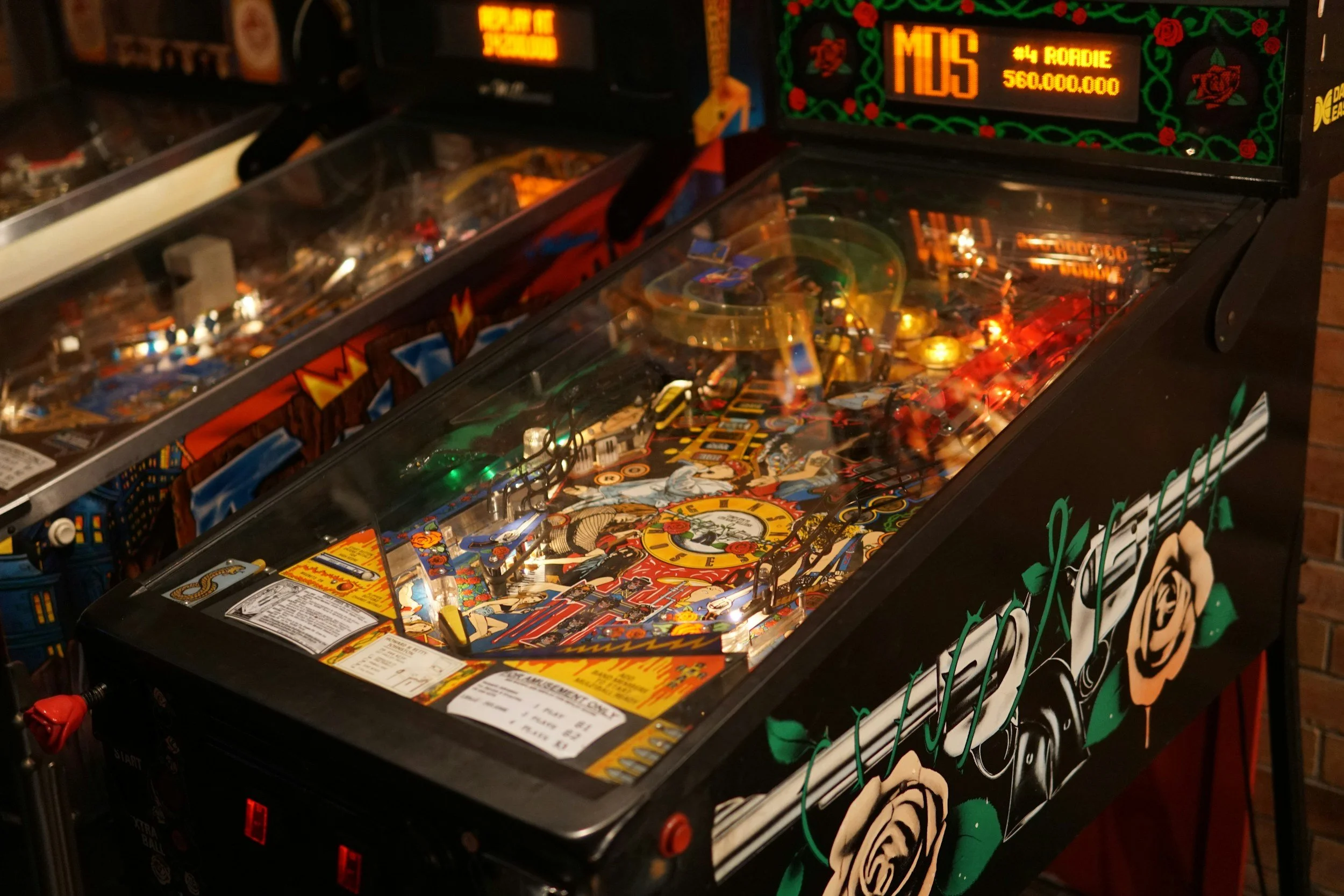
Photo by DanielWang@danielwang1126.
The simplest way to say this is that my ministry has bounced around like a pinball between religious old worlds and new worlds based on emerging spiritual expressions. While I had early hopes that those two worlds could live side by side learning from each other and discovering the gifts of each, I have discovered that they often make an uncomfortable mix. I have personally experienced this. I am often seen as too religious for the spiritually curious and too secular for the religiously devout.
What I have to come realize and accept is that I have often had to play two separate roles in order to sustain a livelihood and maintain trust among any one particular group. And those two roles are these—when working in the church world I have had to wear the hat of a long-term organizational hospice chaplain. When I write in my blog and am on the pilgrim trail I am acting as a spiritual adventurer and midwife.
One assumes that something is dying. The other assumes that something is about to be born.
The gift of retirement is that I can now make a whole-hearted attempt to integrate these worlds without worrying about my livelihood. This is where you all come in.

Photo by MarkCoenraads@splintermarks77
I am currently working on a book (the working title was Rome to Rumi and now it is The Reluctant Prophet) that will attempt to capture the gifts and struggles of being a religious and spiritual leader in this time. It will be part memoir as I retrace my early and deep roots in the mainline Protestant Church, my education in religious and religiously affiliated institutions, and my three decades of service as a minister. But second part of the book will provide a vision of the legacy that I believe the Church can and should be leaving over the next generation.

Photo by DulcineiaDias@dulcineiadias
The choice of the word “legacy” is important in that it mirrors this sense that most of my ministry could have been termed “organizational hospice chaplain” although every church would have revolted against such characterizations. The word legacy also assumes that a certain level of “midwifing” will take place as future generations and community partners pick up where the church has left off.
The truth is that the mainline Protestant Churches of the U.S. (United Methodist Church, Evangelical Lutheran Church, Presbyterian Church (USA), Episcopal Church, United Church of Christ, American Baptist Churches (USA) and Disciples of Christ) have approximately $500 billion in assets., not to mention a whole tradition of providing the spiritual glue for our culture. It is also true that based on current rates of membership decline that those denominations will either become extinct or hollowed out sometime between 2040 and 2050. This means that the number one task of these denominations is now to focus on passing their legacy on to future generations before the institution collapses. And that legacy could be monumental. $500 billion in assets in the form of spiritual values can transform a culture!
MyLifeThroughaLens@bamagal
I am inviting you, my readers, to a dialogue for one very specific reason. A quick unscientific glance at my list of subscribers tells me that about half of you are in the church, but on the edge of it. The other half of you are outside the church, but have an interest in emerging forms of spiritual expression, practices and community. You are the perfect community of people to be talking about the legacy of the mainline Protestant Church because you either have a current investment in the institution or you have an interest in future forms of spiritual expression. You are the ones who should be talking about legacy.
I anticipate that one whole section of my book will emerge directly out of this conversation where honest questions, past griefs, and reimagined futures can show up in this community of people who have stuck with me over the past decade or so.
So…let me start with a couple of questions to get this rolling. I can’t wait to hear from you!
Knowing that I have been living this sort of double life of serving the traditional church and exploring emerging spiritual forms, what questions do you have of me?
Do you believe that the most important thing the Church (that is, mainline Protestantism) can do right now is focus on its legacy? Why or why not?
Ask what needs to be asked. Say what needs to be said. The future depends on it.
Brian Heron
Ordained Presbyterian minister and Pedal Pilgrim